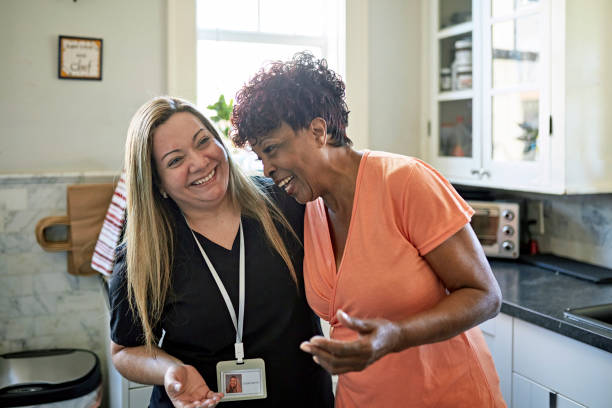
Caregiver jobs in the USA are in high demand, driven by the growing number of elderly individuals and those with chronic health conditions.
This profession is vital to the healthcare system, providing critical support to individuals who need assistance with activities of daily living (ADLs), medical care, and companionship. Whether it’s helping elderly individuals remain independent at home or providing specialized care in hospitals and nursing homes, caregivers play a crucial role in improving the quality of life for those they care for.
This article will explore the various aspects of caregiving jobs in the USA, including job responsibilities, requirements, salaries, job outlook, opportunities for immigrants, and the challenges faced by caregivers.
SEE ALSO: Secure Caregiver Jobs in the UK in 2025 Today!
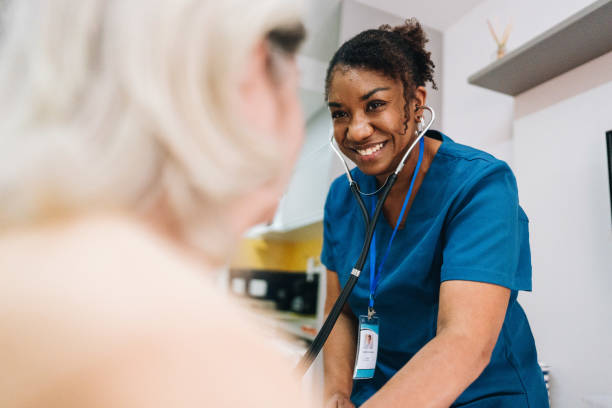
Understanding Caregiver Roles
Caregiver jobs in the U.S. involve providing assistance to individuals who cannot perform daily tasks independently. Duties vary depending on the needs of the care recipient but generally include:
- Personal Care: Helping with bathing, grooming, dressing, and hygiene.
- Meal Preparation: Ensuring proper nutrition through meal planning and cooking.
- Medication Management: Administering or reminding care recipients to take prescribed medications.
- Companionship: Offering emotional support and companionship to reduce loneliness.
- Housekeeping: Maintaining a clean and organized living environment.
Eligibility Requirements for Caregiver Jobs in the USA with Visa Sponsorship
To work as a caregiver in the U.S. with visa sponsorship, candidates must meet specific criteria:
- Educational Background: A high school diploma or equivalent is typically required.
- Certifications: Obtaining certifications like CPR, First Aid, or CNA (Certified Nursing Assistant) can increase employability.
- Work Experience: Previous caregiving experience is often preferred.
- Language Proficiency: A good command of English is necessary for effective communication.
- Health Check: A medical examination may be required to ensure physical fitness.
SEE ALSO: Caregiver Jobs in Canada – New Home Care PR Pathway to Open in 2025!
7 Lucrative Care Jobs in the USA with Visa Sponsorship
If you have a passion for caring for others and are looking for job opportunities in the United States, you’ll be pleased to know that the USA offers a variety of rewarding care jobs with visa sponsorship.
In this blog post, we will delve into different care job opportunities available in the USA, including healthcare, elderly care, childcare, and more.
Read on to discover the top care jobs in the USA that provide visa sponsorship and find answers to common FAQs about pursuing a career in the care sector.
1. Registered Nurse (RN)
The USA consistently requires qualified registered nurses. With an aging population and an increasing demand for healthcare services, foreign nurses with the necessary qualifications, certifications, and language proficiency can find job opportunities in hospitals, clinics, and nursing homes.
2. Certified Nursing Assistant (CNA)
CNAs offer essential care and support to patients in various healthcare settings. Foreign workers with CNA certifications and relevant experience can discover job opportunities in hospitals, long-term care facilities, and home healthcare agencies.
3. Caregiver for the Elderly
As the elderly population continues to expand, there is a significant demand for caregivers who can provide assistance and support to seniors. Caregivers can work in nursing homes, assisted living facilities, or offer in-home care services. Visa sponsorship may be available for qualified candidates.
4. Childcare Provider
Childcare providers play a vital role in caring for children while parents are at work or unavailable. Foreign workers with experience in childcare and appropriate certifications can find employment opportunities in daycare centers, preschools, or as nannies in private households.
5. Occupational Therapist (OT)
Occupational therapists assist individuals of all ages in regaining independence and enhancing their daily living skills. Foreign OTs with the necessary qualifications and certifications can work in hospitals, rehabilitation centers, schools, and private practices with visa sponsorship.
6. Physical Therapist (PT)
Physical therapists help patients recover from injuries or surgeries and improve their mobility. Foreign PTs with the required qualifications and licensing can find job opportunities in hospitals, outpatient clinics, and rehabilitation centers.
7. Speech-Language Pathologist (SLP)
SLPs diagnose and treat communication and swallowing disorders. Foreign SLPs with the necessary qualifications and licensing can work in schools, hospitals, rehabilitation centers, and private practices in the USA with visa sponsorship.
Finding Caregiver Jobs in the USA with Visa Sponsorship
Securing a caregiver job with visa sponsorship requires strategic planning and research. Here are practical steps to increase your chances:
- Research Reputable Employers: Focus on organizations known for sponsoring international caregivers, such as healthcare facilities and private agencies.
- Utilize Job Portals: Platforms like Indeed, Glassdoor, and specialized caregiver websites list openings with visa sponsorship options.
- Network Strategically: Connect with professionals in the caregiving sector through LinkedIn or community forums to uncover opportunities.
- Engage Recruitment Agencies: Some agencies specialize in placing international caregivers with U.S. employers.
- Attend Job Fairs: Healthcare-focused events often feature employers actively recruiting international workers.
SEE ALSO: Luxembourg Jobs for Immigrants – Work in Luxembourg
Benefits of Caregiver Jobs in the USA
Caregiver roles with visa sponsorship come with various advantages:
- Competitive Salaries: Many positions offer attractive pay scales, especially for live-in caregivers.
- Accommodation and Meals: Live-in roles often include free housing and meals.
- Cultural Exposure: Working in the U.S. allows for cultural exchange and personal growth.
- Career Progression: Gaining U.S. work experience opens doors to advanced roles in the healthcare field.
- Pathway to Residency: Many caregivers transition to permanent residency through employer sponsorship.
Challenges Faced by International Caregivers
While caregiver jobs in the U.S. offer numerous benefits, they also come with challenges:
- Cultural Adjustment: Adapting to a new environment and lifestyle can be challenging.
- Long Hours: Caregiving roles often demand extended hours and physical endurance.
- Visa Processing Delays: Immigration procedures may take time, requiring patience and persistence.
- Emotional Strain: Providing care can be emotionally taxing, especially in end-of-life situations.
- Legal Compliance: Navigating complex visa and employment regulations can be daunting.
Tips for a Successful Caregiver Job in the USA with Visa Sponsorship
- Upgrade Your Skills: Enroll in relevant training programs to enhance your qualifications.
- Stay Informed: Keep up with changes in immigration policies and labor laws.
- Build Strong Relationships: Develop trust and rapport with employers and care recipients.
- Practice Self-Care: Prioritize your physical and emotional well-being to avoid burnout.
- Seek Support Networks: Join groups or associations for international caregivers to share experiences and advice.
Wages and Employment Outlook for Caregivers
The demand for caregivers is expected to continue growing due to the aging population and increasing healthcare needs. Here is a breakdown of wages and job prospects:
Wages
The salary for caregivers in the USA varies depending on the position, location, and level of experience. According to the U.S. Bureau of Labor Statistics (BLS):
- Home Health Aides earned a median annual wage of $29,480 in 2022.
- Personal Care Aides earned slightly less, with a median annual wage of $28,540.
- Certified Nursing Assistants (CNAs) earned a median annual wage of $33,000, with variations based on location and healthcare setting.
While caregiving jobs offer relatively low pay compared to other healthcare roles, they provide stable job opportunities in an expanding industry.

Immigration Opportunities for Caregivers
Caregiving is a critical profession in the USA, and there are immigration pathways available for foreign workers interested in caregiving roles. Common immigration routes include:
H-2B Temporary Worker Visa
The H-2B visa allows foreign nationals to work in temporary, non-agricultural jobs, including caregiving positions. Employers must demonstrate that they cannot find qualified U.S. workers for the role.
EB-3 Employment-Based Green Card
Caregivers can apply for an EB-3 green card under the employment-based immigration category. This process typically requires a job offer from a U.S. employer and meeting certain qualifications or experience criteria.
B1/B2 Visitor Visa
Some foreign caregivers come to the U.S. on a visitor visa (B1/B2) to provide short-term care for family members. While this visa is typically for tourism or business, it can sometimes be used for caregiving in specific situations.
Specialized Caregiver Roles
While many caregivers provide general care, there is a growing demand for specialized caregivers who can manage specific health conditions. These roles require additional training and expertise but can lead to higher-paying and more rewarding opportunities.
Alzheimer’s and Dementia Caregivers
The aging population is seeing an increase in dementia-related illnesses, such as Alzheimer’s disease. Specialized caregivers in this field need to understand the cognitive impairments that come with these conditions and how to provide compassionate care. Key responsibilities include:
- Memory Care: Encouraging patients to engage in activities that help preserve cognitive functions.
- Behavior Management: Managing behavioral challenges associated with dementia.
- Safety Protocols: Ensuring a safe environment to prevent wandering or accidents.
Palliative and Hospice Caregivers
Caregivers working in palliative or hospice care provide comfort and end-of-life care to individuals with terminal illnesses. These caregivers offer emotional support, help with pain management, and ensure that patients’ wishes are respected during the final stages of life. This role requires not only medical knowledge but also a strong emotional capacity to support families through difficult times.
Pediatric Caregivers
Some caregivers specialize in pediatric care, providing support for children with chronic illnesses, disabilities, or developmental delays. Pediatric caregivers may assist with:
- Feeding: Helping children with nutritional needs.
- Mobility: Supporting physical movement and activities.
- Medication Administration: Ensuring proper dosages and schedules.
- Emotional Support: Providing companionship and encouragement.
These roles often require more specialized training in child care and pediatric health.
Post-Surgery or Rehabilitation Caregivers
Post-surgery caregivers assist patients in recovery after surgeries or injuries. They help with:
- Physical Rehabilitation: Supporting exercises and mobility improvements.
- Monitoring Recovery Progress: Keeping track of healing and any complications.
- Ensuring Treatment Compliance: Making sure patients follow prescribed treatment plans.
Rehabilitation caregivers may work alongside physical therapists and other healthcare professionals to provide comprehensive care.
Key Takeaways for Aspiring Caregivers
For those interested in pursuing a career in caregiving, here are a few essential tips:
- Invest in Specialized Training: Pursuing certifications and training in areas such as dementia care, palliative care, or pediatric caregiving can open up more job opportunities and lead to higher pay.
- Stay Updated on Technology: Familiarizing yourself with new technologies that improve caregiving will give you a competitive edge in the job market.
- Understand Your Rights: Caregivers should familiarize themselves with labor laws, union options, and benefits available to them, especially if working in formal healthcare settings.
- Cultivate Emotional Resilience: Given the emotional demands of caregiving, building emotional resilience and seeking mental health support is essential to preventing burnout.
Conclusion
Caregiving positions in the USA are on the rise as an essential component of the healthcare sector, delivering crucial services to a varied and aging population. With roles ranging from home care aides to specialized positions in Alzheimer’s and hospice care, the caregiving field is diverse and offers considerable potential for those who are compassionate and committed.
For individuals interested in pursuing a career in caregiving, there are numerous roles and pathways to consider, along with notable job growth anticipated in the coming years. If you possess compassion, patience, and a desire to positively impact people’s lives, caregiving can be a fulfilling career with ample opportunities for personal satisfaction and professional advancement.
